


In the early 21st century, the world witnessed dawn of a new era
known by several names such as the Information Age, the Digital Age, the Cybernetic Age, and the Age of Total Communication.

Prior to this time, organisations relied heavily on manual processes to conduct their business operations. Transactions could take several days to complete, starting with the need to call a company and explain your requirements.
The company would then send you information via mail, which was at risk of getting lost during transit. Once you received the documents, you had to fill them out and send them back, which could also take up to four days.

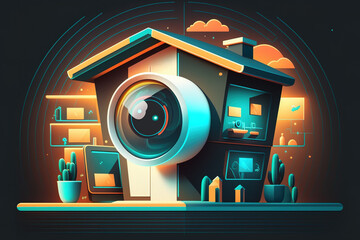
These documents would then go through a series of checks and verifications before being forwarded to another department for the completion of the transaction. As evident, these processes were not only time-consuming but also prone to delays and inefficiencies.
Fast forward to the present day.
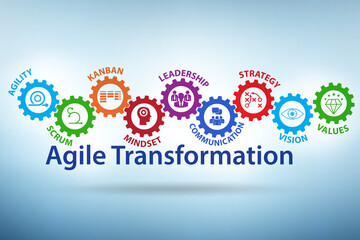
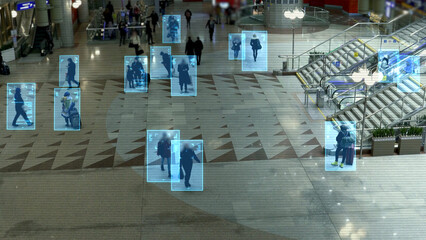
The advancements in technology have revolutionised the way businesses operate. Nowadays, businesses are increasingly shifting towards electronic transactions, as they offer numerous benefits. One notable advantage is the ability for customers to track the progress of a transaction from start to finish, ensuring transparency and peace of mind.
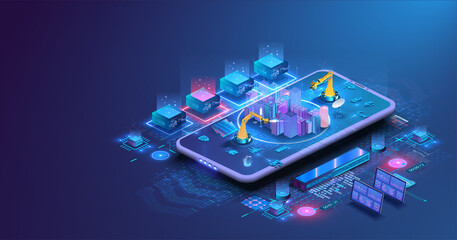
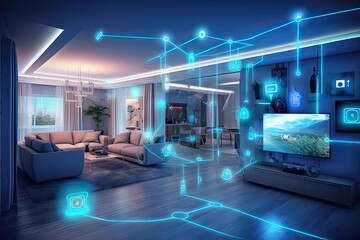
With electronic transactions, businesses can complete transactions within minutes, eliminating the need for lengthy manual processes. Moreover, the advent of smart home technology enables individuals to remotely control their appliances, such as turning on the heater, regardless of their location.
Another remarkable development is the progress towards driverless cars, which holds the promise of safer and more efficient transportation. Additionally, the widespread use of smartphones has made it possible for people to make payments conveniently and securely using their devices.
All these advancements serve as a testament to the rapid pace of technological innovation, pushing the boundaries of what was once considered impossible just two decades ago.
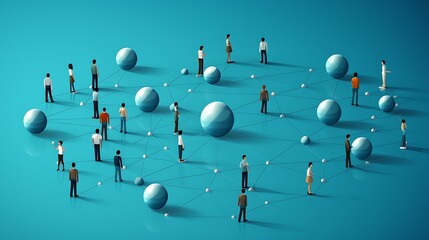
The Internet of Things (IoT) is a transformative technology that encompasses various aspects such as people, devices, data, security, sensors, and connectivity. With its holistic approach, IoT has the potential to enhance productivity and improve the overall customer experience.
One significant advantage of implementing IoT in businesses is the ability to monitor and optimise processes. By leveraging IoT solutions, companies can gain real-time insights into various operations, leading to more efficient resource allocation and cost savings. Additionally, IoT enables organisations to integrate and adapt new business models, fostering innovation and competitiveness.
Furthermore, IoT empowers better decision-making. By collecting and analysing vast amounts of data from connected devices, businesses can gain valuable insights that inform strategic choices. This data-driven decision-making approach enables companies to stay agile and make informed choices that drive growth.
Perhaps the most intriguing benefit of IoT is its ability to enable us to work smarter, not harder. By automating repetitive tasks and leveraging data-driven insights, IoT allows individuals to optimise their workflows and increase productivity. This enhanced efficiency opens up the opportunity for a better work/life balance, as individuals can achieve their professional goals while still finding time for personal pursuits.
The Internet of Things offers a wide range of benefits for individuals and businesses alike. From improved productivity and customer experience to cost savings and better decision-making, IoT has the potential to revolutionise the way we work and live, while maximising revenue and creating a more fulfilling work/life balance.
We are breathing in the computer age and the computer has gradually become such a dire necessity of life that it is difficult to imagine life without it.
IoT involves a radical new view of networked ICT and the relationship between information systems and the physical world.
The internet of things is the manifestation of the internet
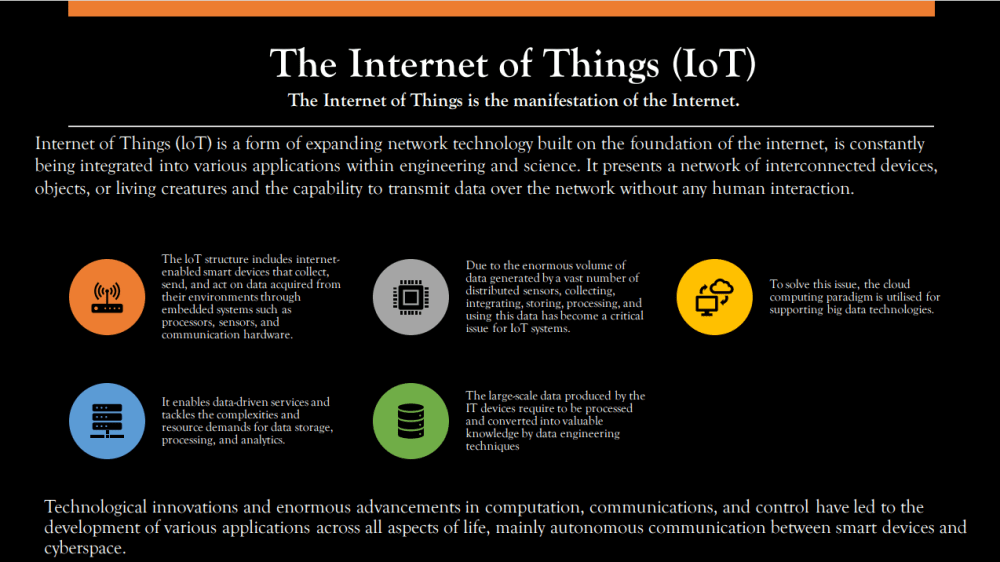
The Trend of IoT started by connecting computers to computers….
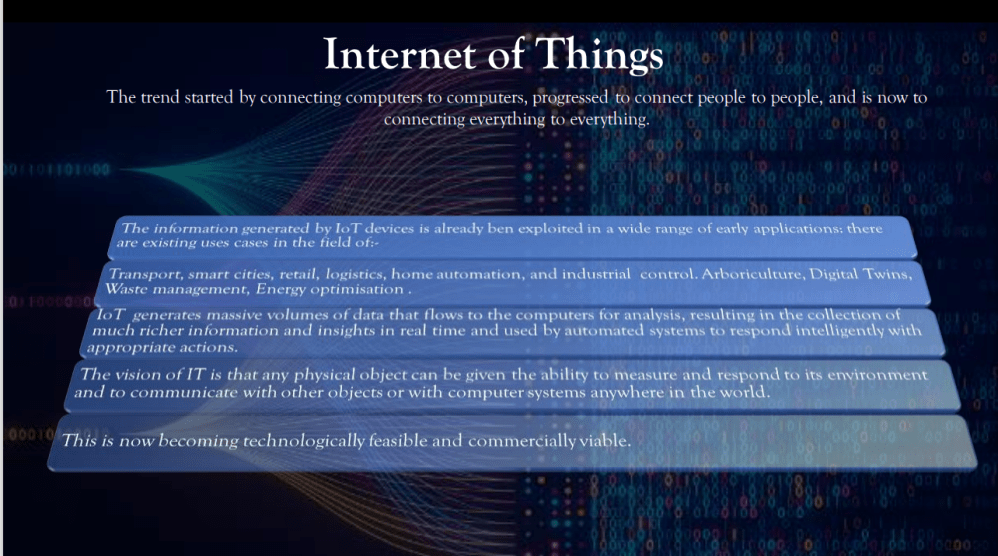
Current trends in the Internet of Things space are majorly driven by technologies like artificial intelligence, blockchain, 4G/5G/6G, and edge computing….
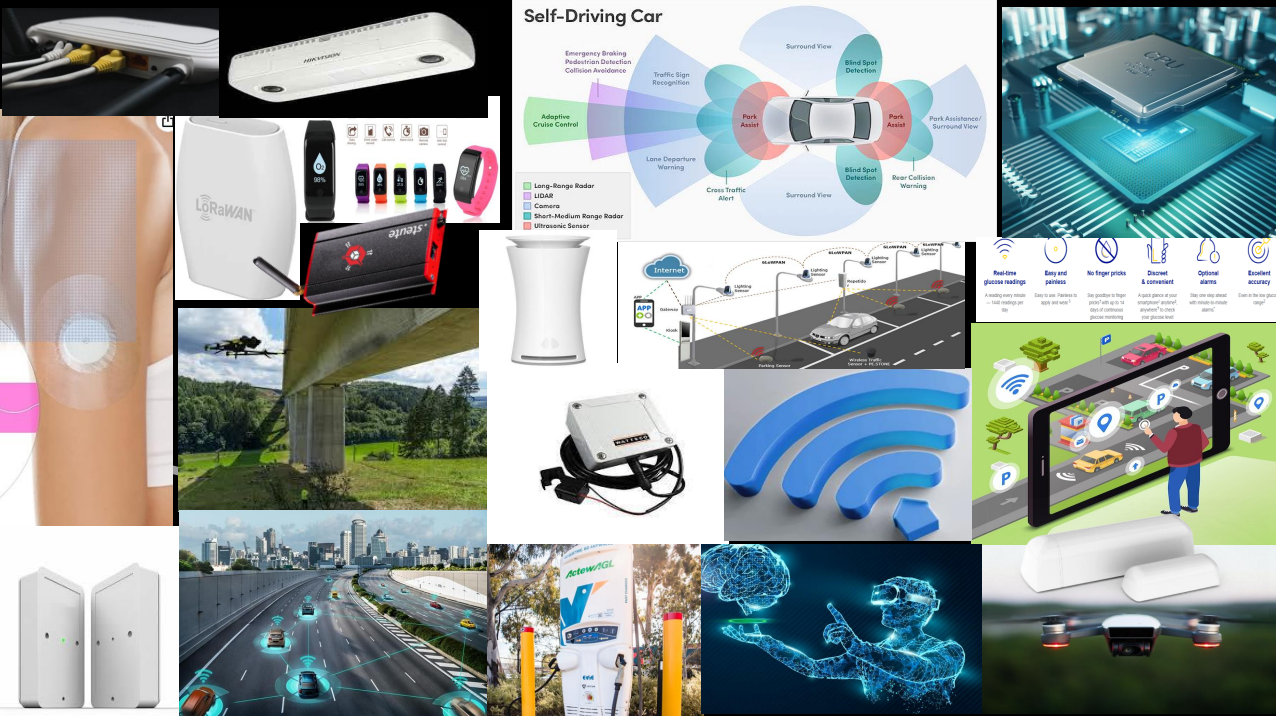
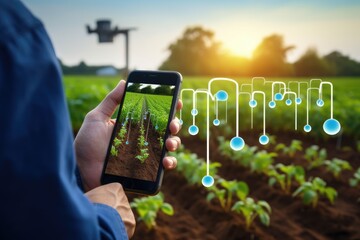
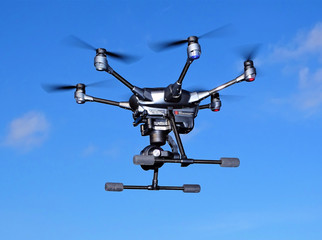
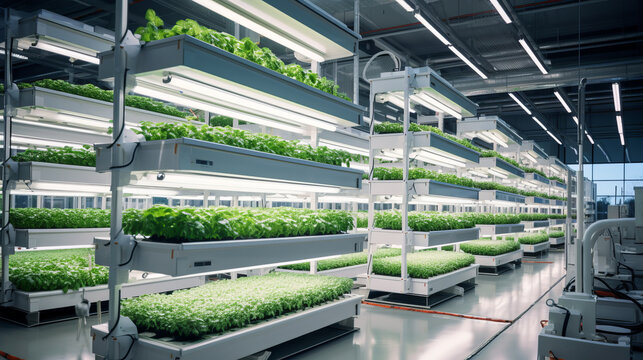
Connected Vehicle Data| Transportation | Agriculture |Hydroponics | Smart Buildings |Structural Health Monitoring | Activity Trackers (Smart Wristwatches) | Energy Optimisation | Smart Carparks| Smart Homes |Footfalls| Traffic Management (WAZE Data)|


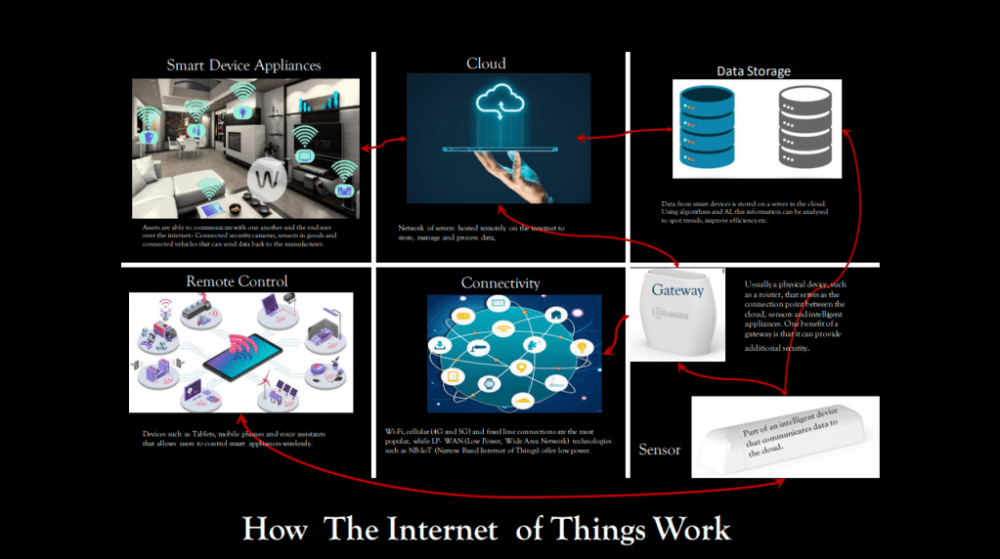
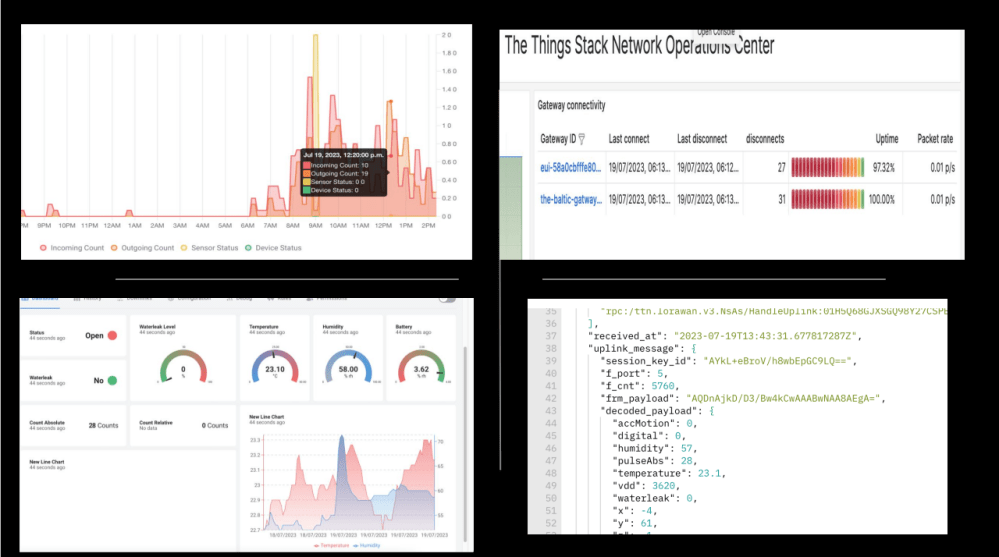
How the Internet of Things works and Visualisation of its data outputs
The future of IoT is indeed limitless…
With increased network agility, IoT has the potential to revolutionise various sectors. From transportation to healthcare, IoT will continue to transform industries by connecting devices and enabling efficient data analysis.
One of the notable trends in IoT is the shift towards edge computing. This approach involves processing data on the device itself, instead of sending it to the cloud. Edge computing can offer benefits such as reduced latency, improved reliability, and enhanced privacy and security.
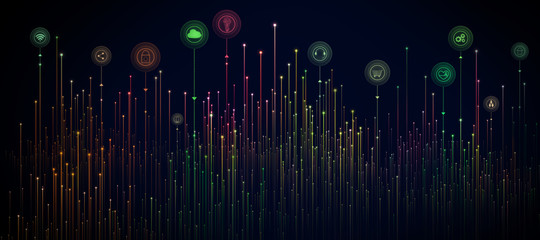
The vision of information technology is to empower any physical object…
with the ability to measure, respond to its environment, and communicate with other objects or computer systems anywhere in the world. IoT plays a significant role in this vision by enabling seamless connectivity and interaction between devices.
Artificial intelligence (AI) algorithms further enhance the capabilities of IoT devices. By incorporating advanced data analysis techniques, AI empowers IoT devices to become more intelligent. They can learn, adapt, and make informed decisions based on the changes in their immediate environment.
The future of the Internet of Things is indeed beyond imagination. Its potential is limitless,
… and it has the power to transform various sectors with increased network agility. With IoT, we can envision a world where everyday objects are interconnected, enabling seamless communication and automation. Industries such as healthcare, manufacturing, transportation, and agriculture are already benefiting from IoT, and this trend is expected to accelerate in the future. By leveraging IoT technologies, businesses can improve efficiency, optimise processes, and create innovative solutions to meet the evolving needs of society. The possibilities are vast, and as IoT continues to evolve, we can expect even more ground breaking advancements that will shape the way we live and work.
IoT will continue to transform many industries, from transportation to healthcare. ? One of the most significant trends in IoT is the move towards edge computing. This involves processing data on the device itself, rather than sending it to the cloud for analysis. Edge computing can help to reduce latency, improve reliability, and enhance privacy and security. The vision of information technology is that any physical object can be given the ability to measure and respond to its environment and to communicate with other objects or with computer systems anywhere in the world.
Artificial intelligence (AI) algorithms hold great potential in enhancing IoT devices
by leveraging AI, IoT devices can become more intelligent and gain advanced data analysis capabilities. These algorithms empower IoT devices to learn from and adapt to the ever-changing environment in which they operate. One of the key advantages of incorporating AI algorithms into IoT devices is their ability to process and analyse vast amounts of data in real-time. This enables devices to make more informed decisions and provide valuable insights. For example, AI algorithms can help detect patterns, anomalies, and trends in the sensor data collected by IoT devices.
Moreover, AI algorithms allow IoT devices…
to learn from their experiences and improve their performance over time. By leveraging techniques such as machine learning and deep learning, devices can autonomously adapt to various changes in their environment. This adaptability enables IoT devices to optimise their operations, increase efficiency, and provide personalised experiences to users. Furthermore, by employing AI algorithms, IoT devices can dynamically respond to unforeseen situations or anomalies. They can automatically adjust their settings, make predictions, and take proactive actions to mitigate potential issues. For instance, an AI-powered thermostat can learn the behaviour of a user and autonomously adjust the temperature settings based on personal preferences and external factors.
In conclusion,
the integration of AI algorithms in IoT devices unlocks their potential to operate intelligently, analyse data comprehensively, learn from experiences, and adapt to changing surroundings. This advancement enhances the overall functionality and performance of IoT devices, making them more valuable and capable in meeting user needs.
Smart home Devices And Wearable Technologies
Smart home devices have revolutionised
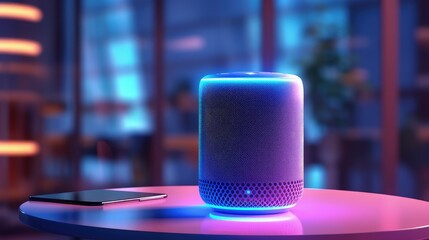
the way we interact with our living spaces. From smart thermostats that adjust to your preferences, to voice-activated virtual assistants that can control lighting and entertainment systems, the possibilities are endless. Smart home devices not only enhance convenience, but also offer improved energy efficiency and security for your home. Whether you’re a tech enthusiast or simply looking to streamline your daily routines, there’s a wide range of smart devices available to cater to your specific needs.
Wearable technologies have become
increasingly popular in recent years, integrating advanced features into everyday items such as watches, clothing, and accessories. These devices are designed to seamlessly integrate into our lives, providing valuable insights into our health, fitness, and daily activities. From smartwatches tracking our physical activities and vital signs to smart clothing monitoring posture and movement, the possibilities for wearable technologies are vast and continually expanding. The future holds even more potential, with the development of innovative functionalities and applications aimed at enhancing convenience and well-being.
Connected Vehicle Data
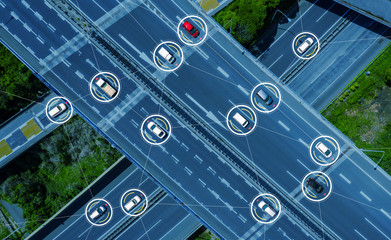
Connected Vehicle Data has revolutionised the automotive industry, offering valuable insights into vehicle performance, driver behaviour, and traffic patterns. By harnessing real-time information from sensors and onboard systems, automakers and service providers can optimise vehicle maintenance, enhance safety features, and enable innovative connected car services.
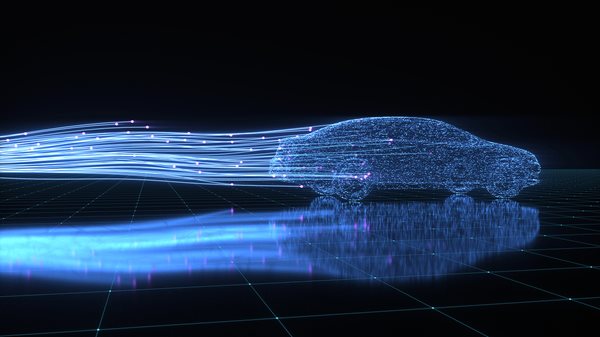

The analysis of Connected Vehicle Data…
also plays a crucial role in developing autonomous driving technologies and smart transportation infrastructure. As the volume and variety of data continue to grow, ensuring the security and privacy of Connected Vehicle Data remains a top priority for industry stakeholders and regulatory bodies.
Personal medical devices.
Personal medical devices encompass a wide range of portable healthcare equipment designed for use by individuals in their own homes. These devices can include items such as blood glucose monitors, portable oxygen concentrators, nebulisers, and home blood pressure monitors.
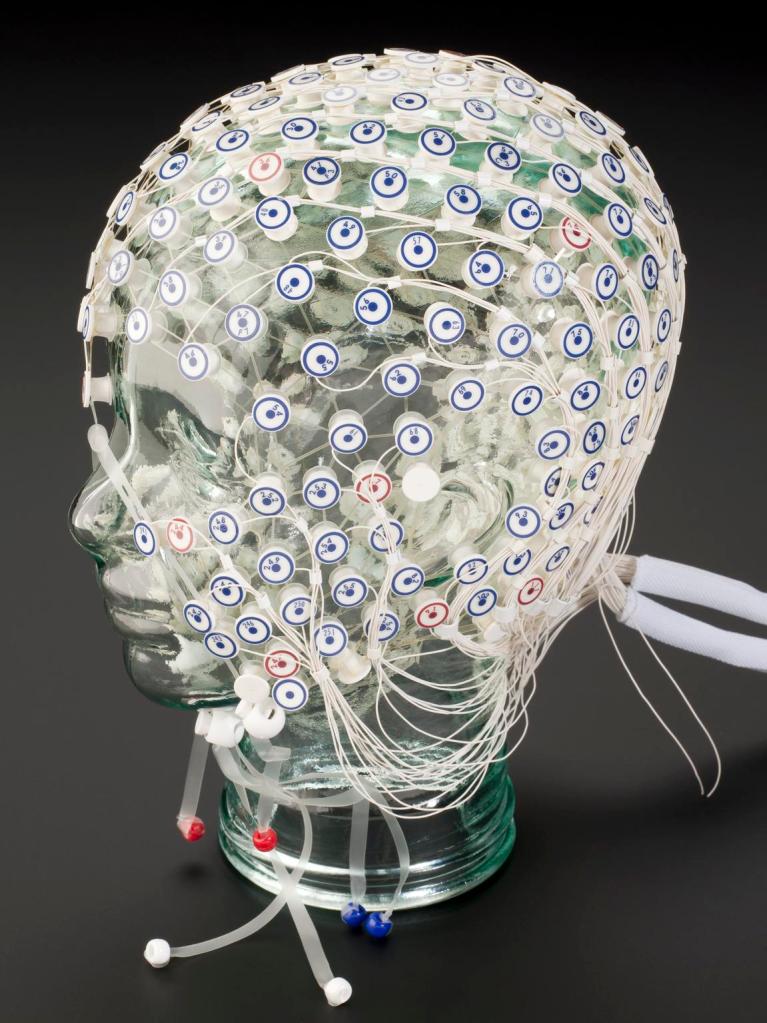
The use of personal medical devices allows individuals to manage their health conditions and monitor vital signs without the need for frequent visits to healthcare facilities. As technology continues to advance, the capabilities and connectivity of personal medical devices are also evolving, enabling improved remote monitoring and healthcare management.
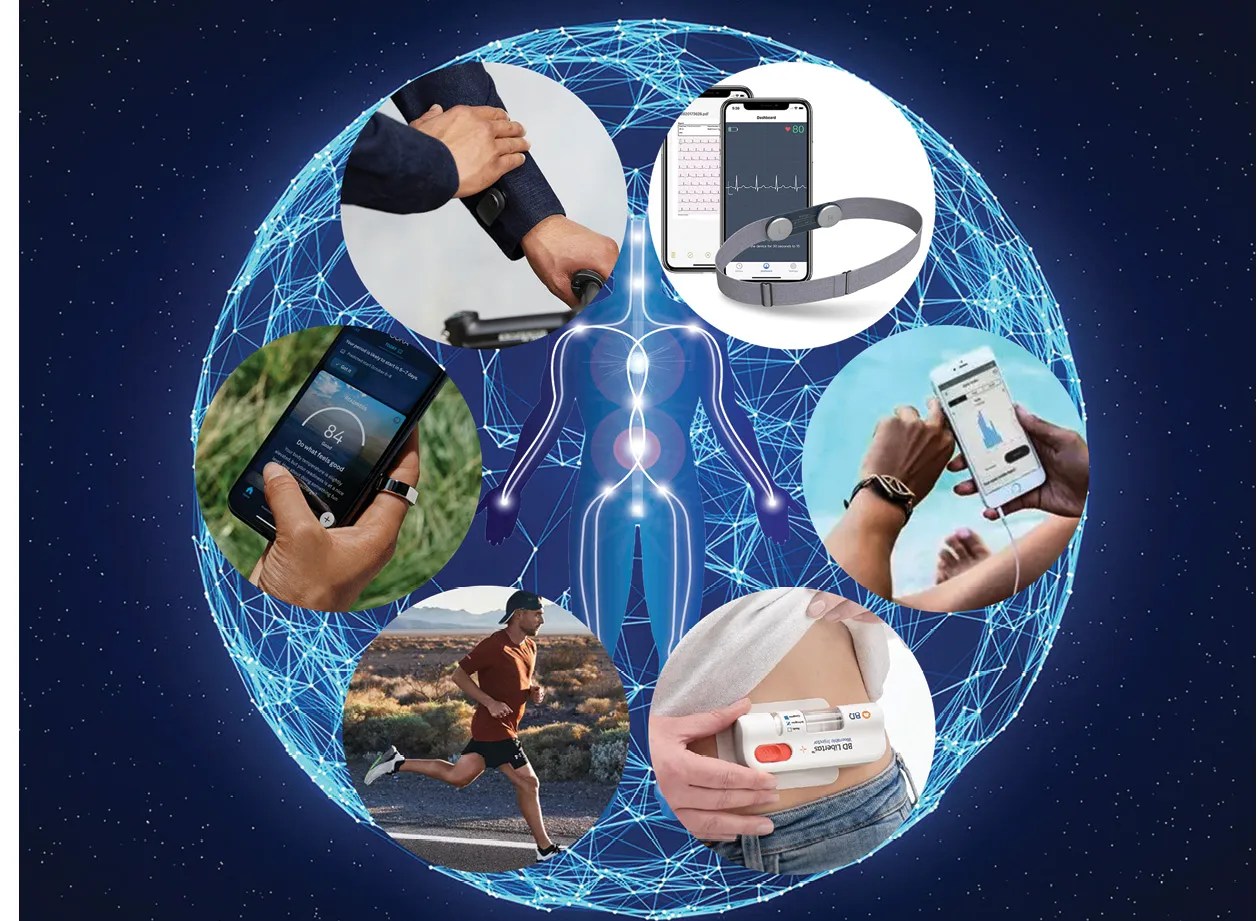

The market for personal medical devices is growing as more individuals seek to take an active role in managing their health. These devices provide convenience and empowerment for individuals with chronic conditions, allowing them to track important health metrics and communicate effectively with healthcare providers. Additionally, the increasing focus on telemedicine and remote patient monitoring has further underscored the importance of personal medical devices in modern healthcare.

As advancements in technology continue, personal medical devices are expected to become even more sophisticated, user-friendly, and integrated with digital health ecosystems, ultimately enhancing the way individuals engage with their own wellness.
 Rahefetano